In today’s high-performance electronics landscape, effective thermal management is no longer optional—it is essential. As devices become more compact and power densities continue to rise, managing heat efficiently directly impacts performance, reliability, and lifespan. One of the most widely used and effective thermal solutions is Heat Sink Extrusion, known for its design flexibility, cost efficiency, and excellent heat dissipation capabilities. This blog explores how advanced heat sink extrusion designs maximize cooling efficiency across various applications.

Understanding Heat Sink Extrusion
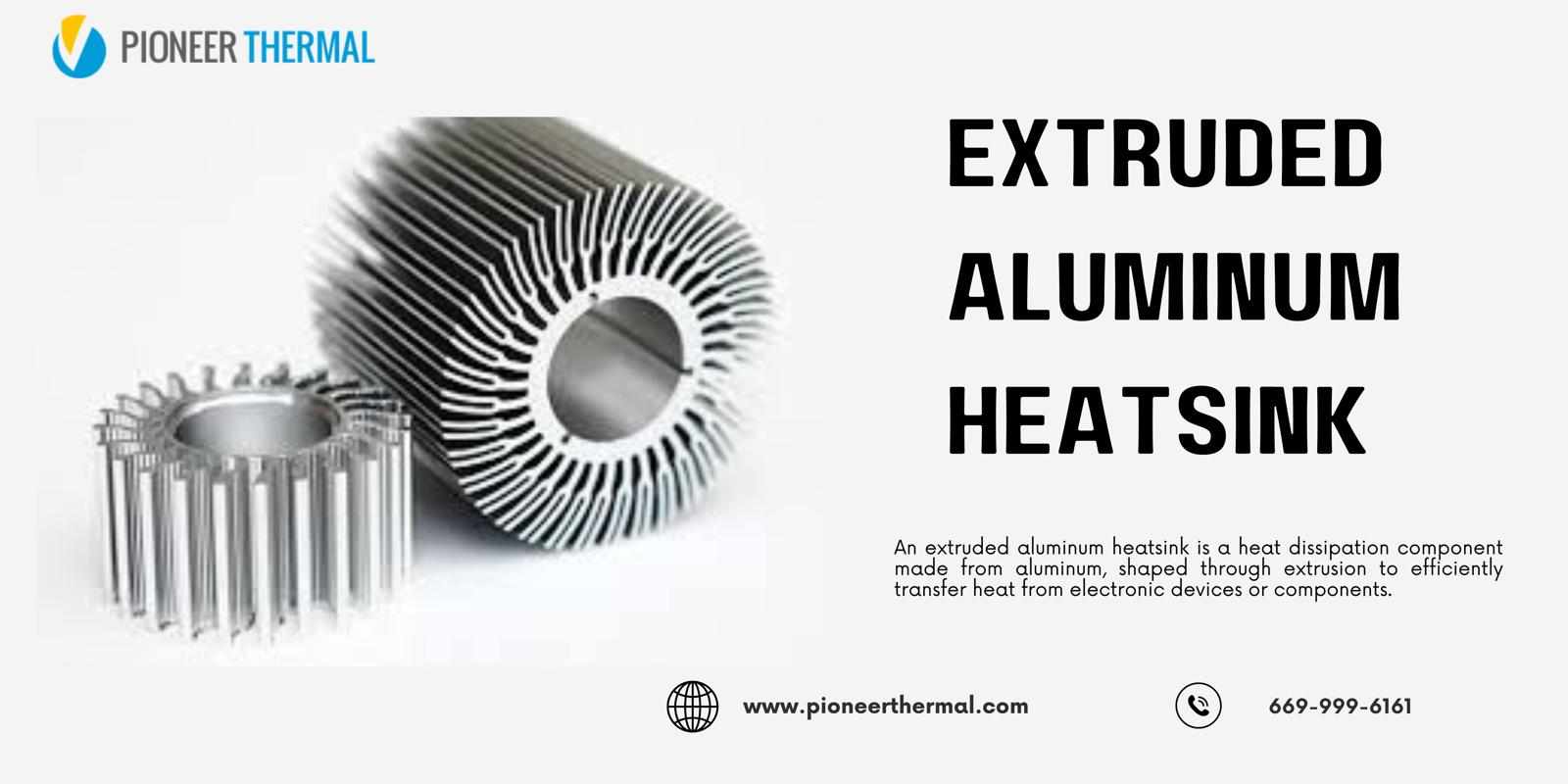
Heat Sink Extrusion is a manufacturing process in which aluminum is forced through a shaped die to create continuous profiles with precise cross-sections. This process allows manufacturers to produce complex fin geometries, varied thicknesses, and custom lengths, all of which play a critical role in thermal performance. Extruded heat sinks are especially popular in electronics, automotive systems, LED lighting, power supplies, and industrial equipment.
The efficiency of a heat sink depends on how effectively it transfers heat away from sensitive components and dissipates it into the surrounding air. Well-engineered extrusion designs optimize airflow, surface area, and material properties to achieve this goal.
Key Design Factors That Maximize Cooling Efficiency
1. Optimized Fin Geometry
Fin design is at the core of efficient heat dissipation. Extruded heat sinks can feature straight fins, tapered fins, or complex profiles tailored to specific airflow conditions. Proper spacing between fins ensures that air can move freely, preventing heat buildup and improving convection. Narrow fin spacing may increase surface area, but if airflow is restricted, cooling efficiency drops. Balanced fin geometry is essential for optimal performance.
2. Increased Surface Area
One of the primary advantages of Heat Sink Extrusion is the ability to increase surface area without significantly increasing weight. More surface area allows greater heat transfer from the heat sink to the ambient air. Extruded designs make it possible to add more fins, deeper fins, or thicker bases while maintaining structural integrity.
3. Material Selection
Aluminum is the preferred material for extruded heat sinks due to its excellent thermal conductivity, lightweight nature, corrosion resistance, and cost-effectiveness. High-grade aluminum alloys enhance heat transfer while allowing precise extrusion of complex designs. The right alloy selection ensures durability without compromising thermal efficiency.
4. Base Thickness and Heat Spreading
The base of a heat sink plays a crucial role in spreading heat evenly across the fins. A well-designed base minimizes thermal resistance between the heat source and the fins. Extrusion designs allow engineers to control base thickness accurately, ensuring uniform heat distribution and preventing hot spots.
Custom Heat Sink Extrusion for Specific Applications
Different applications demand different cooling solutions. Custom Heat Sink Extrusion designs allow manufacturers to tailor profiles based on thermal load, airflow direction, space constraints, and mounting requirements.
Natural Convection Applications: Designs focus on vertical fin orientation and optimized spacing to encourage natural airflow.
Forced Air Cooling: Heat sinks can be designed with denser fin arrays to maximize heat transfer when fans or blowers are used.
Compact Electronics: Slim extrusion profiles with high fin density are ideal for space-constrained environments.
In certain high-power applications, extrusion-based solutions may be combined with other cooling technologies, such as a Pin Fin Heat Sink, to further enhance airflow in multi-directional cooling scenarios.
Manufacturing Precision and Its Impact on Performance
Precision manufacturing ensures consistent thermal performance across batches. Modern extrusion techniques allow tight tolerances, smooth surface finishes, and repeatable profiles. Post-extrusion processes such as CNC machining, drilling, and surface treatments further improve performance and compatibility with electronic assemblies.
Surface treatments like anodizing not only enhance corrosion resistance but can also improve emissivity, allowing the heat sink to radiate heat more effectively.
Advantages of Heat Sink Extrusion Over Other Methods
Compared to casting or skiving, Heat Sink Extrusion offers several advantages:
Cost-Effective for Medium to High Volumes
Faster Production Lead Times
Design Flexibility
Lightweight with High Thermal Performance
Consistent Quality and Repeatability
These benefits make extruded heat sinks a preferred choice for manufacturers looking to balance performance and cost.
Role of Thermal Simulation in Design Optimization
Advanced thermal simulation tools are often used during the design phase to predict heat flow, airflow patterns, and temperature distribution. By simulating real-world operating conditions, engineers can refine fin geometry, base thickness, and overall profile before production begins. This data-driven approach ensures that the final Heat Sink Extrusion design delivers maximum cooling efficiency.
Applications Benefiting from Efficient Extrusion Designs
Efficient heat sink extrusion designs are widely used across industries, including:
Power electronics and inverters
LED lighting systems
Telecommunications equipment
Automotive electronics
Industrial control systems
Consumer electronics
In these applications, effective cooling directly translates to improved performance, energy efficiency, and product longevity.
Future Trends in Heat Sink Extrusion
As thermal demands continue to grow, extrusion designs are evolving to meet next-generation requirements. Innovations include hybrid designs, integration with liquid cooling solutions, and advanced surface enhancements. Sustainability is also becoming a focus, with recyclable aluminum and energy-efficient manufacturing processes gaining importance.
Conclusion
Designs that maximize cooling efficiency are essential in modern thermal management, and Heat Sink Extrusion remains one of the most reliable and versatile solutions available. By optimizing fin geometry, surface area, material selection, and base design, extruded heat sinks deliver consistent and effective heat dissipation across a wide range of applications. With customization, precision manufacturing, and advanced simulation, extrusion-based heat sinks continue to set the standard for efficient and scalable cooling solutions in today’s high-performance electronic systems.


Write a comment ...